5 Benefits of Community Exercise for Over 50s (Beyond Just Getting Fitter)

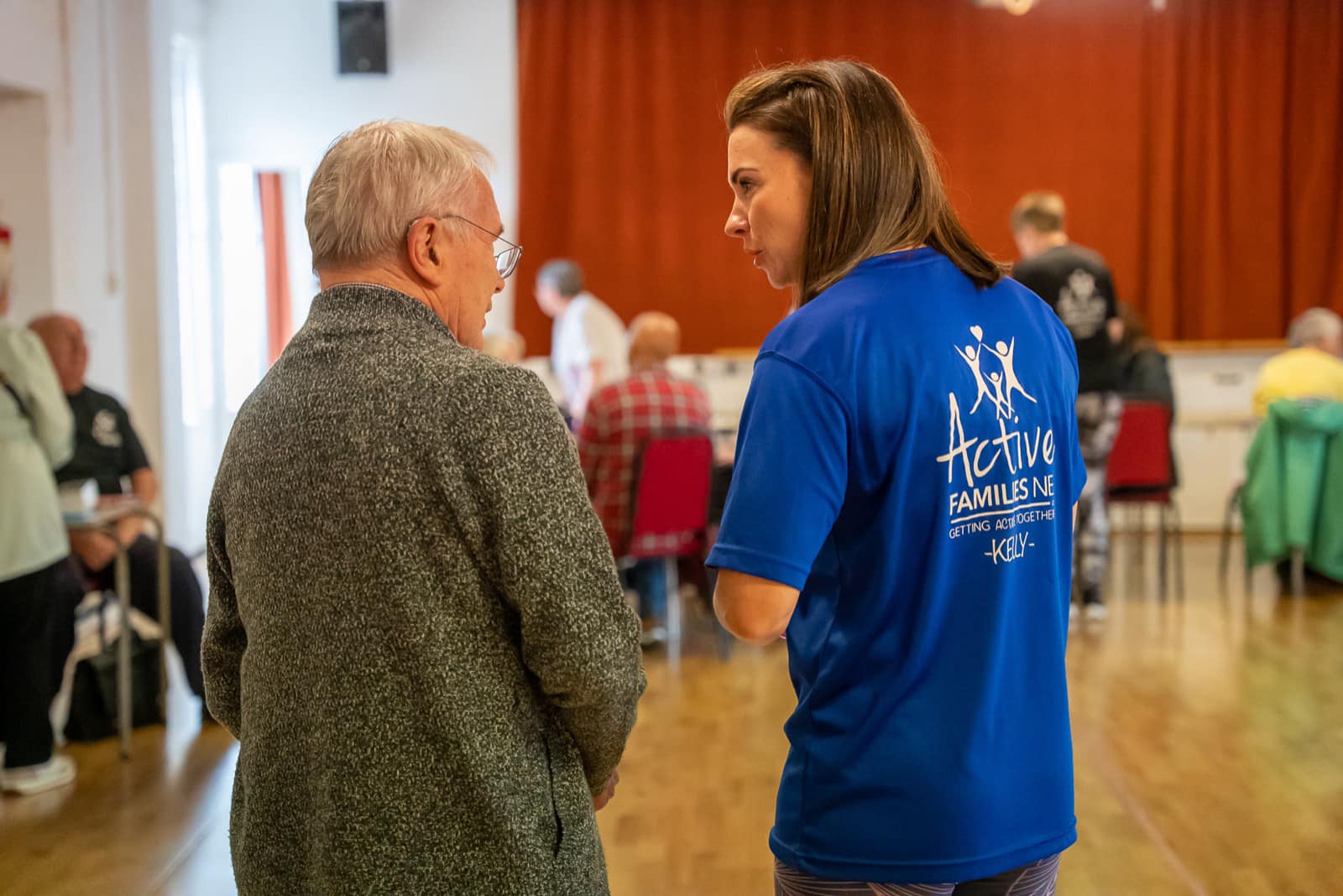
Staying active after 50 isn’t just about keeping fit, it’s about feeling confident, connected and supported in everyday life. While many people think exercise means gyms or high-intensity workouts, community-based exercise offers a very different (and often more sustainable) approach.
For older adults, community exercise programmes provide gentle, accessible ways to move more, feel better and stay socially connected – all in familiar, welcoming spaces.
Benefits of Community Exercises for over 50s
Here are five key benefits of community exercise for over 50s, and why it can make such a positive difference to both physical and mental wellbeing.
It Supports Strength, Balance and Everyday Movement
As we get older, it’s natural to notice changes in strength, balance and mobility. Community exercise classes are designed with this in mind, focusing on functional movement – the kind of movement that supports everyday activities like walking, standing up, reaching and staying steady on your feet.
Rather than pushing the body too hard, sessions build strength gradually and safely, helping to:
- Improve balance and coordination
- Maintain muscle strength
- Support mobility and flexibility
- Reduce stiffness and aches
For many people, this kind of regular, gentle movement helps them feel more confident and capable in daily life.
It Boosts Confidence – Not Just Fitness
One of the biggest barriers to exercise after 50 is confidence. Traditional gyms or fast-paced classes can feel intimidating, especially if you’re returning to movement after a break, injury or health issue.
Community exercise classes are different. They’re designed to be:
- Inclusive and welcoming
- Adaptable to different abilities
- Supportive rather than competitive
Being in an environment where everyone is encouraged to move at their own pace helps rebuild confidence not just in exercise, but in what your body can do.
Over time, many people find they feel more comfortable moving, trying new activities and trusting their bodies again.
It Reduces Loneliness and Builds Social Connection
Exercise isn’t just good for the body. It’s powerful for mental well-being too. Community-based classes create opportunities for connection, conversation and companionship, which can be just as important as the physical benefits.
Many community exercise sessions include time to chat before or after class and often take place in familiar local venues. This social aspect can help:
- Reduce feelings of isolation or loneliness
- Build routine and purpose
- Create friendships and support networks
- Improve mood and emotional well-being
For lots of older adults, the class becomes something to look forward to each week, not just for exercise, but for the sense of belonging it brings.
It Encourages Consistency (Without Pressure)
One of the most important parts of staying active is consistency, and community exercise programmes are particularly good at supporting this.
Because sessions are:
- Local and easy to access
- Friendly and familiar
- Designed to feel enjoyable, not exhausting
People are more likely to keep coming back.
There’s no pressure to “perform” or keep up with others. Instead, the focus is on showing up, moving a little, and doing what feels right for you on the day. That gentle, flexible approach makes it much easier to stay active long term.
It Supports Independence and Quality of Life
Regular movement plays a big role in helping people stay independent as they get older. Community exercise helps support:
- Confidence with everyday tasks
- Stability and balance when moving around
- Overall physical resilience
- A positive relationship with movement
For those who need more targeted support with strength, balance or falls prevention, specialist programmes such as Mission 2 Mobility offer structured, progressive exercises led by trained professionals. Many people move between different programmes depending on their needs, and that flexibility is key.
Why Community Exercise Works So Well
Community exercise works because it looks at the whole person, not just physical fitness. It combines movement, connection, confidence, and support all in a setting that feels approachable and familiar.
Active Families Northeast develop programmes that are rooted in local communities, delivered by experienced coaches, and shaped around the real needs of the people taking part.
Rather than focusing on what people can’t do, community exercise focuses on what they can do and how movement can feel positive, social and empowering at any age.
Finding the Right Community Exercise Programme
If you’re considering community exercise, look for programmes that:
- For many people, gentle exercise classes can be an ideal starting point, offering low-impact movement in a relaxed and supportive environment.
- Are led by qualified, supportive instructors
- Feel welcoming and inclusive
- Encourage social interaction
- Adapt exercises to suit different abilities
Ready to Get Started?
If you’re over 50 and looking for a friendly, supportive way to move more, community exercise could be a great place to start.
Whether your goal is to feel stronger, improve confidence, meet new people or simply enjoy being active again, there’s a programme out there to support you.
Because staying active isn’t about doing more – it’s about feeling better, together.
Community Exercise for Over 50s – FAQs
What type of exercise is best for over 50s?
The best type of exercise for people over 50 is movement that supports strength, balance, mobility, and everyday function. Community-based exercise classes are often ideal because they focus on gentle, functional movement in a supportive and social setting.
How do I start exercising after years of inactivity?
Starting again is best done slowly and gently. Low-impact activities, short sessions, and supportive environments help rebuild confidence without putting too much strain on the body. Community exercise programmes are designed to help people ease back into movement at their own pace.
How many times a week should a 50-year-old exercise?
Many older adults benefit from being active two to three times a week. The focus doesn’t need to be on long or intense sessions – regular, enjoyable movement is often more effective and easier to maintain.
What is functional training for over 50s?
Functional training focuses on movements that support everyday tasks such as walking, standing up, reaching, and maintaining balance. For older adults, this type of exercise helps improve confidence, independence, and overall quality of life.